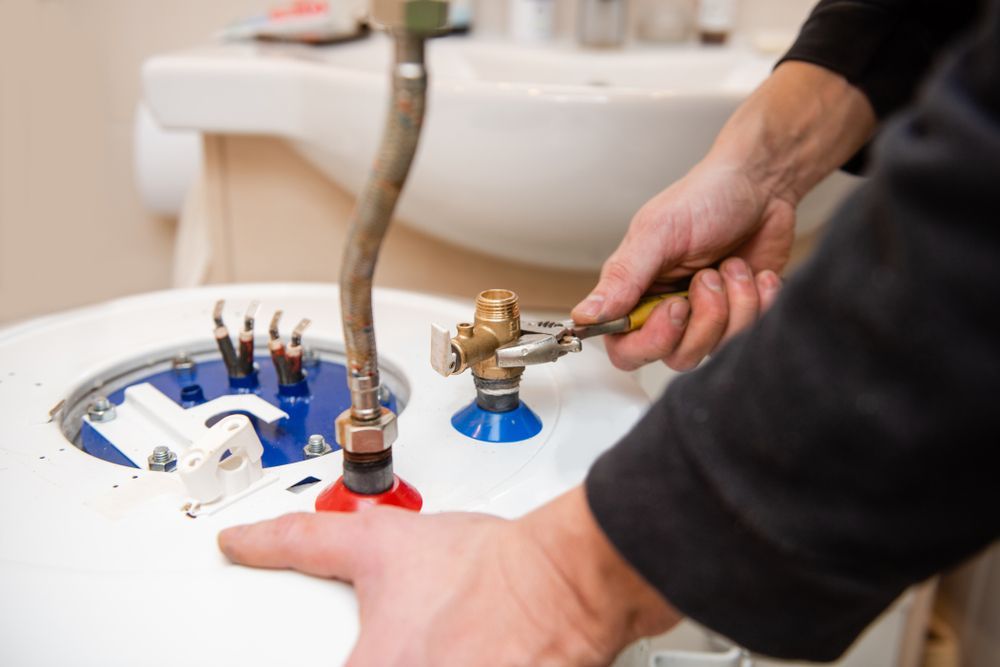

Restoring Hot Water Service to Homes
Water Heater Repair and Installation in Chula Vista for inconsistent temperatures, leaks, and complete system failures
Shower water fluctuates between scalding and cold, the water heater tank drips onto the garage floor, recovery time after one shower extends to 45 minutes, or no hot water reaches any fixture despite the unit appearing to operate normally. These conditions indicate component failures, sediment accumulation, or capacity limitations that require professional evaluation in Chula Vista homes and businesses. Drain Help diagnoses water heater problems to determine whether repairs restore reliable performance or whether replacement provides better long-term value based on unit age, damage extent, and efficiency standards.
Water heater service addresses thermostat failures that prevent accurate temperature control, heating element burnout that eliminates heat production, tank corrosion that allows leaks, anode rod depletion that accelerates internal deterioration, and sediment buildup that reduces storage capacity and extends recovery periods. Repair makes sense when a single component has failed in an otherwise functional unit, while replacement becomes more cost-effective when multiple systems show wear or when the existing heater predates current efficiency standards by a decade or more.
Call Drain Help for water heater evaluation when performance declines or visible problems appear.
Choosing Between Repair and Replacement
Technicians test electrical components or gas controls depending on fuel type, inspect the tank for corrosion and leaks, measure sediment accumulation, and compare current efficiency ratings against available replacement models. A five-year-old unit with a failed thermostat typically justifies repair, while a fifteen-year-old tank with visible rust and declining output often warrants replacement before catastrophic failure floods the installation area.
After repair or installation, hot water reaches fixtures at consistent temperatures, recovery time between uses decreases to normal ranges, energy consumption drops if an outdated unit was replaced, and leak risks disappear. Professional installation includes proper venting for gas units, correct electrical connections for electric models, thermal expansion tank installation where required by code, and secure mounting that prevents movement. Drain Help explains warranty coverage, expected lifespan, and maintenance steps that extend equipment life.
Replacement options include traditional tank models sized to match household demand and tankless systems that heat water on demand without storage limitations. The choice depends on usage patterns, available installation space, fuel type compatibility, and budget parameters. Tankless units require adequate gas line capacity or electrical service amperage that some properties lack without infrastructure upgrades.
Water Heater Service Questions
Homeowners typically ask about repair versus replacement decisions, expected equipment lifespan, and warning signs that indicate impending failure.
What determines whether a water heater should be repaired or replaced?
Unit age, repair cost relative to replacement cost, energy efficiency comparison between current and new models, and the likelihood of additional failures within the next few years all factor into the recommendation, with most units over twelve years old favoring replacement when major components fail.
How long do water heaters typically last before requiring replacement?
Tank-style water heaters average eight to twelve years in Chula Vista depending on water hardness, maintenance history, and anode rod replacement frequency, while tankless models often exceed fifteen years with proper descaling maintenance in areas with mineral-heavy water.
Why does hot water run out faster than it used to?
Sediment accumulation at the tank bottom displaces water storage volume, forcing the heater to work harder to maintain temperature in the reduced effective capacity, which results in shorter supply duration and longer recovery periods between hot water availability.
What warning signs indicate a water heater is approaching failure?
Visible rust on the tank exterior or in hot water, popping or rumbling sounds during heating cycles caused by sediment buildup, moisture around the base suggesting slow leaks, and declining output temperature despite thermostat adjustments all suggest deterioration that typically precedes complete failure.
How does professional installation differ from basic replacement?
Proper installation verifies adequate venting for combustion safety, ensures thermal expansion protection to prevent pressure damage, confirms electrical grounding for shock prevention, and secures mounting to prevent earthquake movement, all of which affect safety and code compliance beyond simply connecting water lines.
Drain Help provides transparent recommendations based on actual equipment condition rather than upselling replacement when repairs suffice, and the company backs installation work with strong workmanship standards. Request a water heater service appointment when performance issues develop or before an aging unit fails completely and eliminates all hot water access.