
Hidden Water Loss That Increases Bills
Leak Detection in Chula Vista for unexplained water usage, damp spots, and mold growth indicating concealed pipe failures
You notice a water bill that doubled without explanation, damp carpet along a basewall, mildew smell in a bathroom that lacks visible moisture sources, or warm spots on a concrete floor where hot water lines run underneath. Drain Help uses advanced diagnostic tools to locate leaks in supply lines, sewer pipes, and fixture connections that remain hidden behind walls, under slabs, or beneath landscaping in Chula Vista properties. Early detection prevents the larger repair costs that develop when leaks erode foundations, rot framing, or saturate insulation over extended periods.
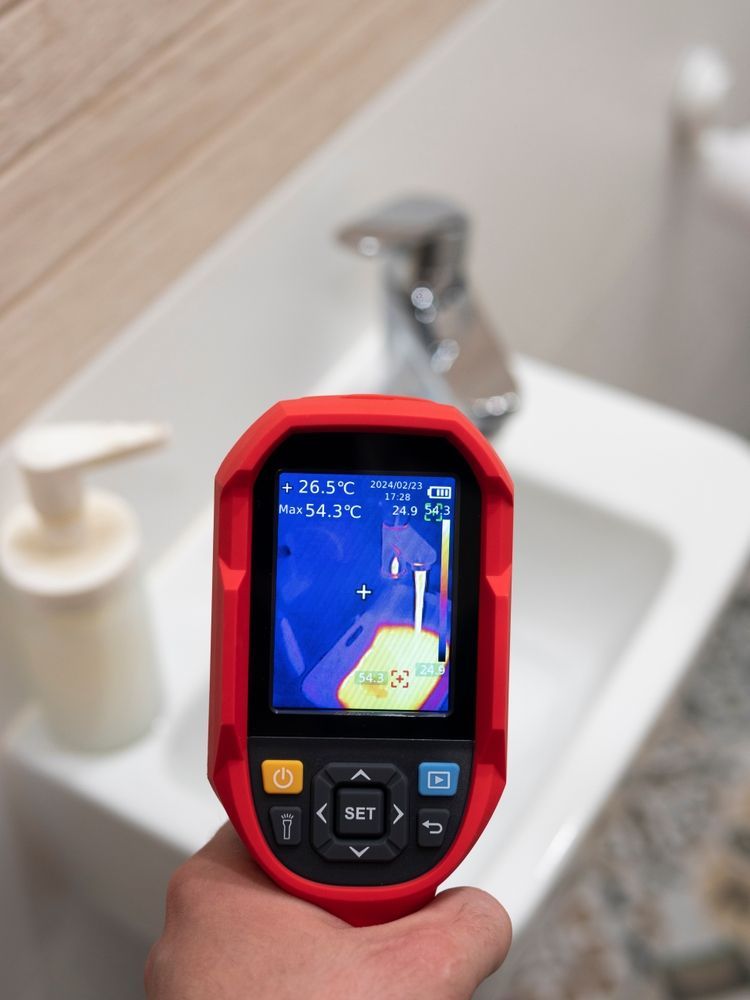
Leak detection involves pressure testing to confirm water loss, acoustic listening devices to trace sounds of escaping water, thermal imaging to identify temperature differentials caused by leaking hot water, and camera inspection for sewer line cracks that allow groundwater infiltration or effluent seepage. Most leaks fall into two categories: pressurized supply line failures that continuously release water until shut off, and drain or sewer line cracks that allow moisture migration during fixture use. Each type produces different warning signs and requires distinct detection methods.
Schedule a leak detection appointment before damage extends beyond the immediate failure point and compounds repair complexity.
What Detection Tools Reveal About Hidden Failures
Technicians isolate sections of plumbing systems, monitor pressure drops that indicate active leaks, and use specialized equipment to pinpoint failure locations without demolishing walls or floors unnecessarily. Acoustic sensors detect the specific sound frequency of water escaping under pressure, thermal cameras identify heat patterns from hot water leaks, and moisture meters measure saturation levels in building materials to map the extent of water intrusion.
Once the leak is located and repaired, water bills return to normal levels, damp spots dry out, mildew odors dissipate, and you stop paying for water that never reached a fixture. Drain Help provides clear explanations of detection findings and repair options, allowing you to understand what failed, why it happened, and what steps prevent recurrence. Detection services apply to both residential properties and commercial buildings where concealed plumbing runs through inaccessible spaces.
The cost of professional leak detection typically remains lower than the combined expense of ongoing water waste, property damage restoration, and exploratory demolition performed without diagnostic guidance. Detection identifies the precise failure point, allowing targeted repairs that minimize wall or floor opening size and reduce overall project scope.
Questions Property Owners Ask About Leak Detection
Customers often wonder what signs justify professional detection, how the process works without damaging property, and whether small leaks require immediate attention.
What warning signs indicate a hidden leak worth investigating professionally?
Water bills that increase without changes in usage patterns, damp spots or stains that appear without obvious sources, mold growth in areas that should remain dry, warm floor sections over slab-buried hot water lines, or the sound of running water when all fixtures are off all suggest concealed leaks in Chula Vista homes.
How do detection tools locate leaks without cutting into walls or floors?
Acoustic sensors listen for the specific sound frequencies water makes escaping pressurized pipes, thermal cameras detect temperature differentials on surfaces above leak points, and pressure testing isolates system sections to narrow search areas before any invasive investigation begins.
Why do small leaks justify immediate detection rather than waiting for obvious symptoms?
A pinhole leak releasing one drop per second wastes over 2,000 gallons annually, and the moisture continuously saturates surrounding materials, creating conditions for mold growth, wood rot, and structural deterioration that cost far more to remediate than early leak repair.
What causes supply line leaks in homes without recent plumbing work?
Corrosion from water chemistry, pressure spikes from municipal supply fluctuations, thermal expansion and contraction cycles in copper piping, and manufacturing defects in connection fittings all create failure points that develop over years before sudden leaks appear.
How long does a typical leak detection appointment take?
Most residential leak detection completes within two to three hours, including system testing, equipment scanning, and initial repair planning, though complex properties with multiple potential leak sources may require additional time for thorough assessment.
Drain Help has refined leak detection protocols since 2002, using equipment that reduces guesswork and prevents unnecessary demolition during the search process. Contact Drain Help to arrange a leak detection inspection when water usage patterns suggest hidden losses or property conditions indicate moisture intrusion.