Finding Root Causes Before Beginning Repairs
Drain, Sewer and Gas Line Diagnostics in Chula Vista for blockages, damaged pipes, and system concerns requiring accurate assessment
Multiple drains slow simultaneously, sewage odors emerge from fixtures, gas line pressure drops during high-demand periods, or a plumber recommends extensive work based on symptoms alone without confirming the actual failure location and cause. Drain Help uses cameras, testing equipment, and professional inspection protocols to identify the true source of plumbing and gas line problems in Chula Vista properties before proposing repair solutions. Accurate diagnostics prevent unnecessary work, target repairs to actual failure points, and provide documentation that supports informed decisions about system maintenance or replacement.
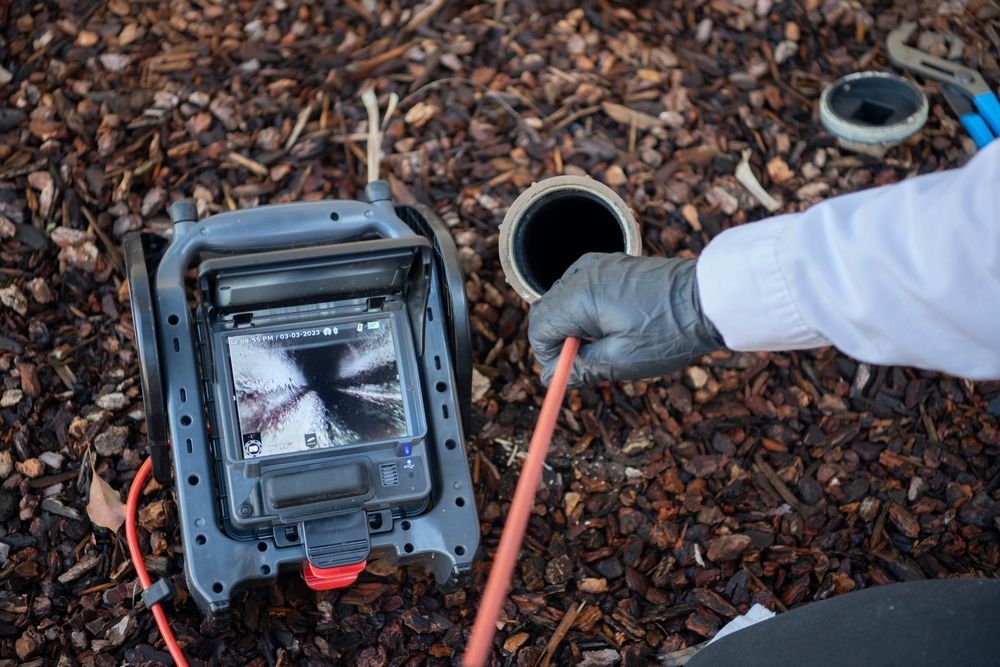
Diagnostics involve inserting waterproof cameras into drain and sewer lines to visually inspect pipe condition, locate blockages, identify root intrusion points, and document cracks or collapsed sections. Gas line diagnostics use pressure testing to detect leaks, flow measurement to assess capacity, and safety inspections to verify code compliance. The process reveals whether a slow drain results from localized debris buildup that responds to simple clearing or from pipe deterioration requiring section replacement, and whether a suspected gas leak stems from a connection failure or from corroded piping that demands more extensive intervention.
Schedule a diagnostic inspection when plumbing symptoms appear but the cause remains unclear or when proposed repairs seem extensive relative to observed problems.
What Diagnostic Equipment Reveals About System Condition
Camera inspection shows the interior pipe surface in real-time video, allowing technicians to measure blockage severity, identify material type, assess joint condition, and locate the precise distance from access points to problem areas. Pressure testing on gas lines quantifies leak rates, isolates failure sections, and confirms that repairs restore system integrity. These tools eliminate guesswork and provide visual or measurable evidence that supports repair recommendations.
After diagnostics, you receive clear explanations of what the inspection revealed, what repair options address the documented problems, and what outcomes each approach produces. Drain Help focuses on finding solutions rather than assuming problems based on common failure patterns, and technicians explain technical findings in terms homeowners understand without requiring plumbing expertise. The diagnostic process applies to residential properties, commercial buildings, and any situation where accurate problem identification prevents unnecessary repair costs.
Diagnostic fees typically apply toward subsequent repair work when you proceed with recommended service, making the inspection cost part of the overall solution rather than a separate expense. Documentation includes video recordings or test result summaries that you can review when evaluating repair proposals or seeking additional opinions.
Diagnostic Service Questions
Property owners often ask what diagnostics reveal that visual inspection cannot, when diagnostic service makes sense versus proceeding directly to repairs, and how inspection findings influence repair planning.
What problems does camera inspection identify that external symptoms cannot reveal?
Interior camera inspection shows root intrusion extent, documents pipe material deterioration, identifies offset joints where settling has occurred, reveals partial collapses that allow restricted flow, and locates the exact blockage composition, all of which remain invisible from drain openings or fixture access points in Chula Vista homes.
When should diagnostic inspection occur before repair work begins?
Any situation where multiple fixtures drain slowly, where previous clearing attempts provided only temporary relief, where repair estimates vary widely between contractors, or where symptoms suggest problems beyond simple blockages all justify diagnostic confirmation before committing to repair approaches.
How do diagnostic findings change repair recommendations?
Inspection might reveal that a suspected main line replacement actually requires only a single joint repair, or conversely that what appeared to be a simple blockage actually involves deteriorated pipe that will fail again without section replacement, fundamentally altering project scope and cost.
Why do gas line diagnostics require pressure testing rather than visual inspection?
Gas leaks occur at joints, connections, and corroded sections that often show no external evidence, and pressure testing quantifies leak rates while isolating failure locations within complex distribution systems that supply multiple appliances.
What documentation do diagnostic services provide for future reference?
Most inspections include video recordings of camera runs, written summaries of findings, location measurements from access points to problem areas, and photographic evidence of exterior conditions, creating records useful for insurance claims, property sales, or long-term maintenance planning.
Drain Help has served San Diego County since 2002, developing diagnostic protocols that prioritize accurate problem identification over assumptions or pattern-based guessing. Contact Drain Help to arrange professional diagnostic inspection when plumbing or gas line concerns require confirmation before repair decisions are made.